


When you source plush blind boxes from China, the first real decision is not price or lead time. It is how you source OEM ODM plush toys: build them from your own design, or take a line the factory has already made. Under OEM you supply the character and the factory produces it to your spec, your brand, and your packaging. Under ODM the factory designs the character and you sell that line, often under your own label. The right answer turns on two things you can check before you call any factory: whether you already own an IP you want to sell, and how fast you need product on the shelf.
What OEM and ODM Actually Mean
OEM, You Bring the Design
Under OEM agreements, you typically provide the character artwork or other IP that you already own or are licensed to use. We work with you to create a physical plush product such as a blind box as described in the spec, using the character artwork that you provide. We produce what you design, to the quality that you specify, for your brand. This is the preferred method for existing IP holders, for companies with licensed characters and for in-house design teams.
You take the risk that the design doesn’t work. A character that reads well on 2D flat artwork can look awful in 3D. OEM can give you greater control over the product, while exclusivity depends on your IP rights and the terms agreed with the manufacturer.
ODM, the Factory Brings the Design
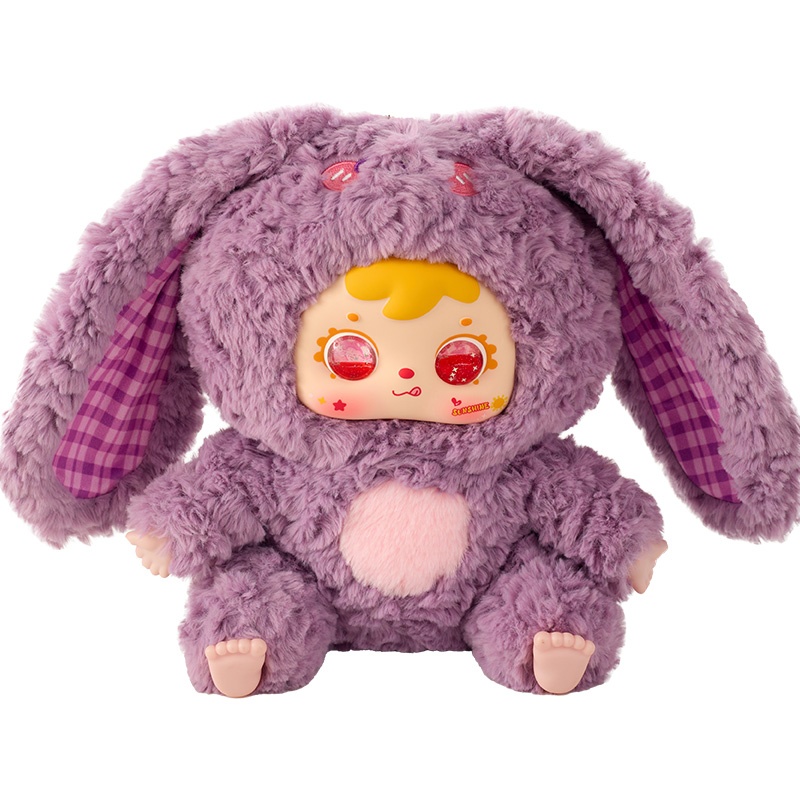
With ODM, the factory designs and you put your name on the line. They may already have developed and sampled the characters, which can reduce the amount of product development required. For a plush blind box this means that much of the hard work may already have been done by the factory. They may have worked out the face proportions, the vinyl-face seam, the amount of stuffing needed and the packaging. So you only have to make a few design decisions and you can start to produce quickly.
The trade is that the design may not be exclusive to you unless exclusive rights are specifically agreed in writing with the factory. The same ODM line may be offered to more than one buyer unless exclusivity has been agreed. ODM lowers your upfront risk and your time to market, but it gives up some of the exclusivity that an own-brand IP would give you.
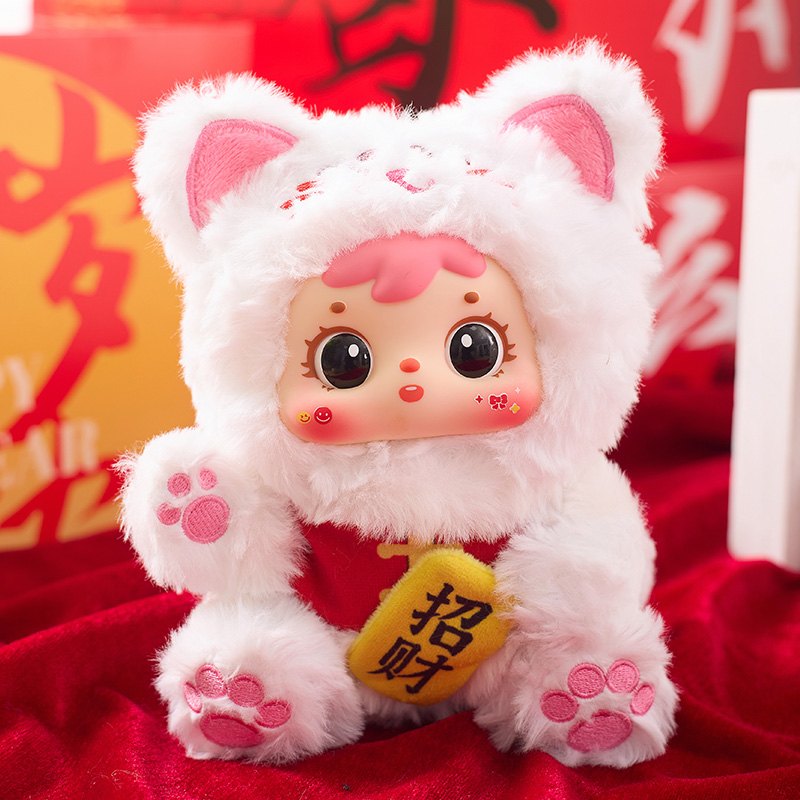
We support both OEM and ODM programs. Our ODM line is based on our own kawaii-animal IP. Some of the characters are already being offered in various forms such as a small pendant to larger figurines like the Little Puppy.
How to Choose Between the Two
Do You Have an IP You Want to Sell?
This is the fastest way to make a decision. If you already own an IP, a licensed character or even a brand mascot and you would like to create products based on this character, then OEM is the most natural way to go. If you don’t have a character yet but you would like to start selling products quickly, then ODM is the best way to start.
Another case: you have only an idea, but no final design yet. Some buyers start with ODM in order to get familiar with the market and then develop their own OEM characters after they gain enough knowledge of what their customers are really looking for.
How Fast Do You Need to Reach Market
Speed and control are going in opposite directions. OEM takes longer because the factory develops the character from your artwork. In the process of developing the character from your artwork, there may be two or more rounds of sample production before mass production, depending on the complexity of the design. ODM on the other hand usually takes less time because the character has already been developed and sampled by the factory.
For seasonal campaigns, ODM would be the way to go. However, if you have enough time to plan ahead, OEM can give you greater control over an exclusive design, provided the relevant IP rights are properly protected.
How Much Control Do You Want Over Craft and Packaging
With OEM you can pick the plush material, the vinyl face, the filling, the size and all packaging details. ODM products on the other hand are completed products and you can only customise as far as the manufacturer allows. This usually includes adding your own label to the product and your own branding to the carton. If your product’s craft and packaging is a major part of your brand then OEM is where you want to be.
What Each Route Looks Like in Production
The OEM Path, From Artwork to Sample
An OEM plush blind box starts with your supplied artwork and progresses through to mass production. The factory then translate your supplied 2D artwork into a 3D soft toy prototype for checking of face proportions and seam etc. Production of a first sample takes place and a careful manufacturer will revise the samples as needed before committing to mass production. This allows for checking of appearance, feel, sturdiness and color match prior to release and on occasion a character that looks fine on computer screen can sag or look wrong in real life on a later sample.
With the sample approved, the production process would then proceed with the setting up of the vinyl face tooling and the plush cutting, followed by mass production with in-process and final AQL-sampled inspection. The Crown Rabbit is one example of a Samuel figure that went through this process and was enlarged to become a large desk collectible made of the same plush-and-vinyl materials as the other boxes of smaller Samuel figures.
The ODM Path, Picking From an Existing Line
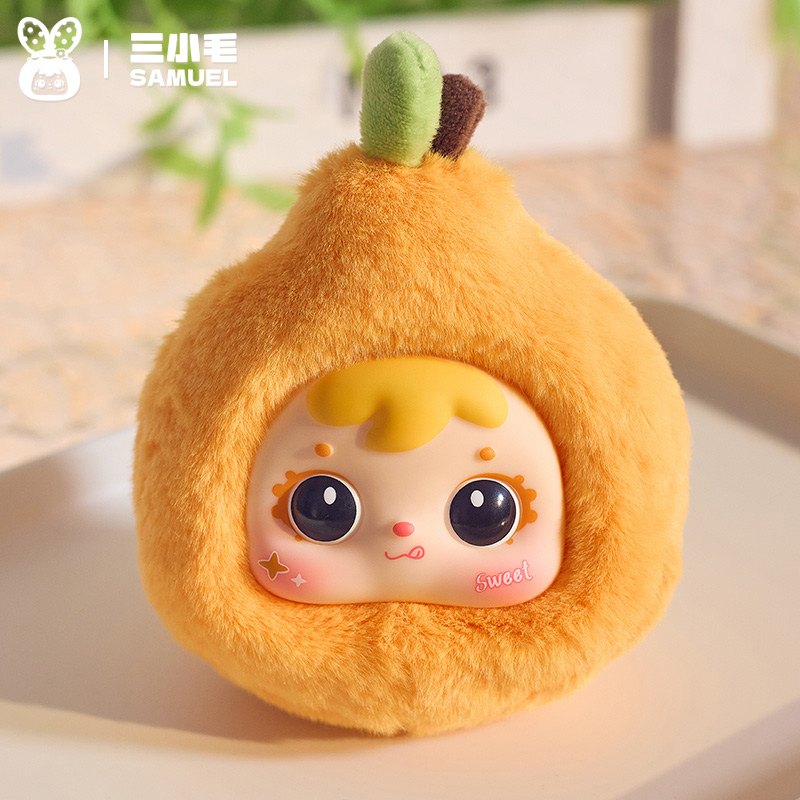
For ODM orders the design process is much simpler. You can select from the pre designed characters that the factory has developed previously. We confirm the format, quantity and you can add your own logo where applicable. The character may already have been sampled and produced, so much of the remaining work can focus on your label, your carton artwork and the quantity you require.
You still check quality. Even on ODM you want the vinyl-face seam, the stuffing, and the color to match the approved sample across the whole run, and a final AQL-sampled inspection before shipment is still a commonly used quality-control measure.
Working With a Custom Blind Box Factory
One Factory, Both Routes
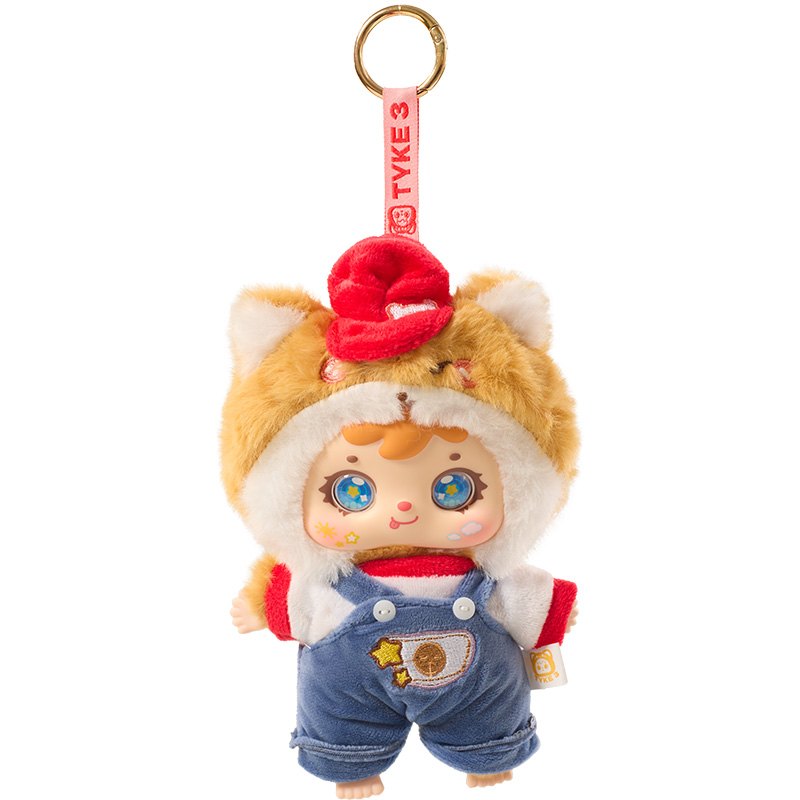
Samuel is a factory that can work under both OEM and ODM structures, helping you along the way. Zhejiang Meiyiyou Craft Co., Ltd. has been in business since 2010 with its production facility based in Yiwu, Zhejiang and design & marketing office in Guangzhou. With a 20,000m2 production facility housing over 200 staff members, the company covers from design to sampling to mass production.
MOQ, Sampling, and the Hybrid Many Brands Run
Minimum order quantities for custom made plush blind box toys vary depending on the complexity of the product. For our custom plush blind box programs, minimum order quantities can typically range from 1,000 to 3,000 units depending on the product. Character made from plush and vinyl materials would be at the lower end of this range, where characters with movable parts and or accessories would be at the upper end. The minimum order quantity is confirmed once the design and packaging has been finalized.
Many brands operate in a hybrid model, initially launching an ODM line to test out the shelf life of products, followed by developing their own OEM characters based on what performs well in the market. The two routes are not mutually exclusive and many factories service both routes, allowing for smooth handover.
Conclusion
When it comes to choosing between OEM and ODM plush toys for retail or brand buyers, two key factors come into play: IP and timeline. If a buyer has the IP and the time to develop an item OEM-style, they can have OEM build them a more controlled and potentially exclusive item that they can then go defend on the retail shelf. However, if a buyer needs product faster and is willing to accept less design exclusivity and control, then ODM may be the better route. Most buyers don’t pick once and move on, rather they start where they’re at and move as they learn. If you’re trying to decide which route would be best for your next line of products, Contact Samuel and he can go over your designs, your timeline, and provide you with a sample-to-production plan.
FAQ
Q: What is the difference between OEM and ODM for plush blind boxes?
In OEM you supply the character design, which the factory then produces in accordance with your specifications for brand, packaging etc. You retain the IP that you already own or are licensed to use, while ownership of any new development work should be defined in the manufacturing agreement. In ODM the factory creates and develops the character and you then sell this line of characters – often under your own label. OEM generally offers more control and potential exclusivity than ODM, but usually requires more development time and carries more development risk.
Q: Which is cheaper, OEM or ODM plush toys?
While ODM is usually the cheaper and faster way to start, the costs for design and tooling for OEM products are higher in the first place. On the other hand, OEM can give you a more exclusive product when the relevant IP rights are properly protected. Is your IP already in place? How much do you value the exclusivity of a product against the lower entry prices for an ODM product?
Q: Can I start with ODM and move to OEM later?
Yes, this is a common way to go. Some companies come in with an ODM line first to see what type of products their customers like and then develop their own OEM characters based on what they learn from the market. We have companies that run both lines and it makes sense for us to support both ODM and OEM programs and confirm the minimum order quantity for each line after the design and packaging has been established.
Q: Do I own the design and IP under each route?
For OEM products, you normally retain the IP that you bring to the project. Ownership of any new artwork, modifications, tooling, or other development work should be agreed in writing. For ODM products, the underlying character or design usually remains with the factory or original rights holder unless rights are assigned or licensed to you. Be sure to confirm the IP and your exclusive rights in writing before placing an order, regardless of whether you’re ordering OEM or ODM products.

Post Comment