


Blind box character design can strengthen a toy series by establishing recognizable character identities, visual consistency, and meaningful variation across collectible figures. For Samuel, effective blind box character development combines recognizable silhouettes, expressive facial features, material selection, themed accessories, and controlled design variation to maintain series consistency.
Why Blind Box Character Design Matters
Recognition Begins with Silhouette and Expression
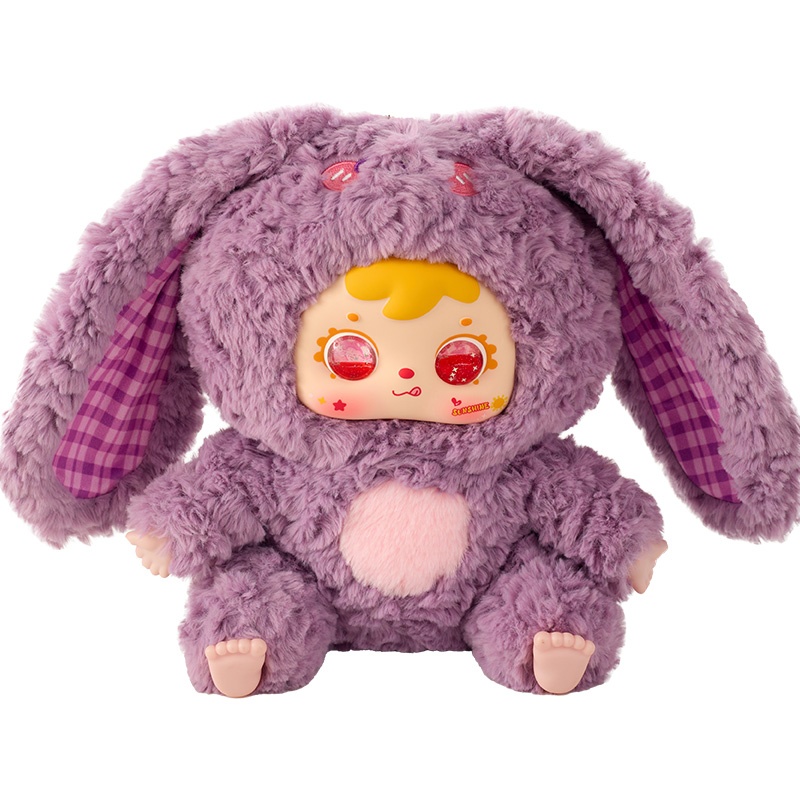
A memorable blind box character should be understandable before a collector studies every detail. Ear shape, head-to-body proportions, hairstyle, costume silhouette, and distinctive facial features can improve character recognition across retail displays, product photography, and unboxing content. These signals matter when a series contains several figures that share the same world but remain individually identifiable. A clear facial expression can also improve accessibility for consumers who are new to the designer toy category.
Character Identity and Collector Engagement
Good character development is not only about making a product look cute. It gives the object a mood that can fit a desk, shelf, gift choice, or social content.
A strong emotional identity can help original IP toys develop beyond one-off novelty products by giving characters a recognizable and repeatable identity.
Samuel’s blind box product range shows how distinct themes can be expressed through character-led forms, plush surfaces, costumes, and accessory details.
From Original IP to a Complete Blind Box Series
Signature Features Strengthen Character Recognition
The character development process becomes clearer when a designer separates essential features from decorative ones. A signature ear, headpiece, face shape, color accent, or companion prop can remain stable while clothing, pose, and theme details change. Collectors then understand what connects the figures even when the designs are different.
For plush blind box products, the same principle applies to fabric selection, plush construction, embroidery, appliqué details, and accessory integration. A soft outer surface defines the touch, while embroidery, facial elements, fabric parts, and hard accessories provide contrast. These elements contribute to both visual character recognition and the tactile experience of the finished plush collectible.
Consistency and Variation Must Work Together
Repeated eye treatment, body proportions, color relationships, and packaging cues help figures look like a collection. At the same time, each figure should have a clear design differentiator, such as a costume, theme, prop, expression, or supporting character.
An effective plush blind box series should avoid insufficient differentiation between figures while maintaining strong visual consistency across the collection. Strong blind box character design gives collectors a reliable framework with enough variation to keep the series interesting.
For brands and creative teams, Samuel’s service and design capabilities provide useful context for connecting character concepts with product development, packaging, and production details.
Samuel Series That Show Creative Range
Sports, Bakery, and Vanity-Themed Character Designs
Samuel’s product portfolio demonstrates how a consistent character design system can be adapted across multiple themes. MR5104 Cool Soccer brings a sports context, while MR5088 The Bakery uses a more lifestyle-oriented setting. MR5097 Masquerade Ball Vanity Mirror adds a decorative and fashion-led direction, showing how props and scene cues can change the character’s mood.
These themes give collectors more than a color change. Soccer can suggest movement, bakery can suggest warmth and daily ritual, and a vanity mirror can suggest styling and self-expression. The design challenge is preserving the character’s face or silhouette while letting the theme do meaningful visual work.
Zodiac, Family, and Fantasy Character Directions
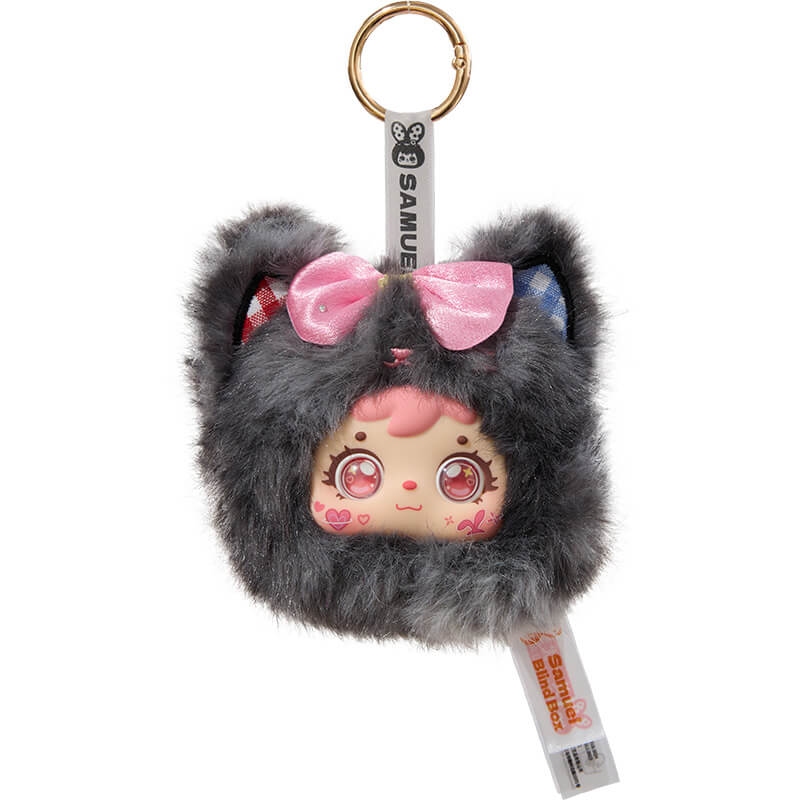
Other Samuel examples extend the same logic through symbolism and relationships. MR5059 The Twelve Zodiac Charms III uses a zodiac direction, while MR1085 The Little Rabbit Family builds interest through a group concept rather than a single isolated character. MR1080 Crown Rabbit and MR1095 Velvet-Eared Fairy Trail add costume, headwear, and fantasy details that can make one figure feel more ceremonial or storybook-like.
This thematic range demonstrates how original IP toys can support seasonal, symbolic, playful, and aspirational concepts without abandoning a coherent character language. A series is easier to remember when every design has a clear idea and still belongs to a larger visual family.
Finishing Details in Designer Toy Manufacturing
Plush Texture and Accessory Contrast
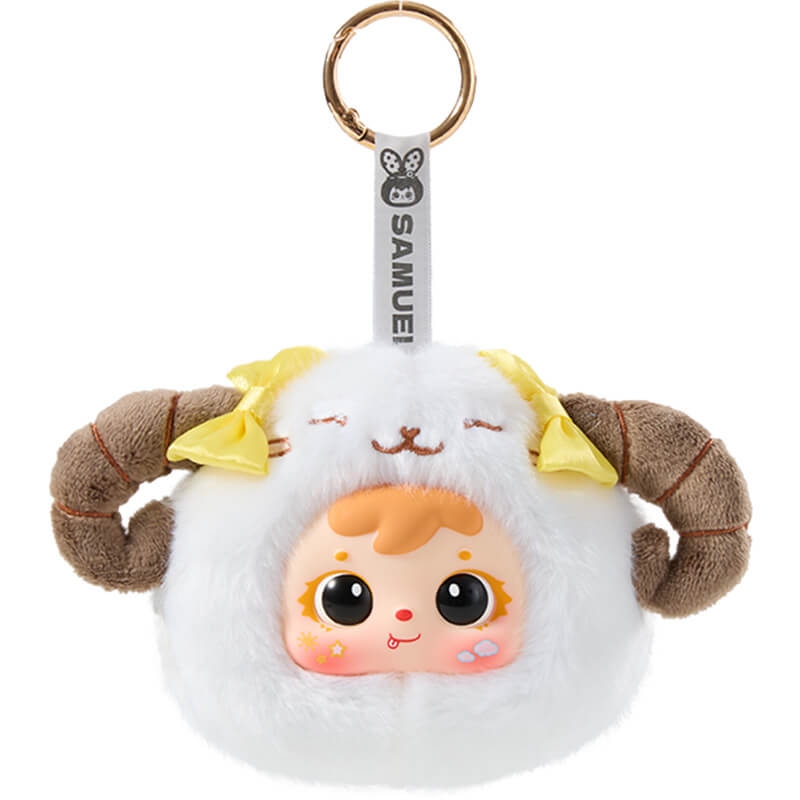
Material selection and surface treatment influence both the visual appearance and tactile experience of a plush collectible. Plush fabric can soften a silhouette and add a tactile layer that a flat printed object cannot provide. Face panels, stitched elements, ribbons, crowns, headwear, and companion pieces create contrast without overwhelming the main character.
Product quality evaluation should consider construction and finishing details beyond the primary product view. Key quality-control considerations include seam consistency, stuffing distribution, embroidery alignment, accessory attachment, dimensional consistency, and surface finishing. These observable qualities are more useful than unsupported claims about rarity or performance.
Packaging and Series Presentation
Packaging is an integral part of the blind box product experience and series presentation. The outer box, insert, character card, or series image can show how an opened figure fits into the wider collection. Packaging should protect the product while supporting the blind box reveal experience and communicating the visual identity of the series.
Clear presentation remains useful after unboxing. Collectors may keep boxes, arrange figures by color, or use series artwork to plan a display. A resolved character concept should work across the toy, packaging, product photography, and shared everyday scenes.
Conclusion
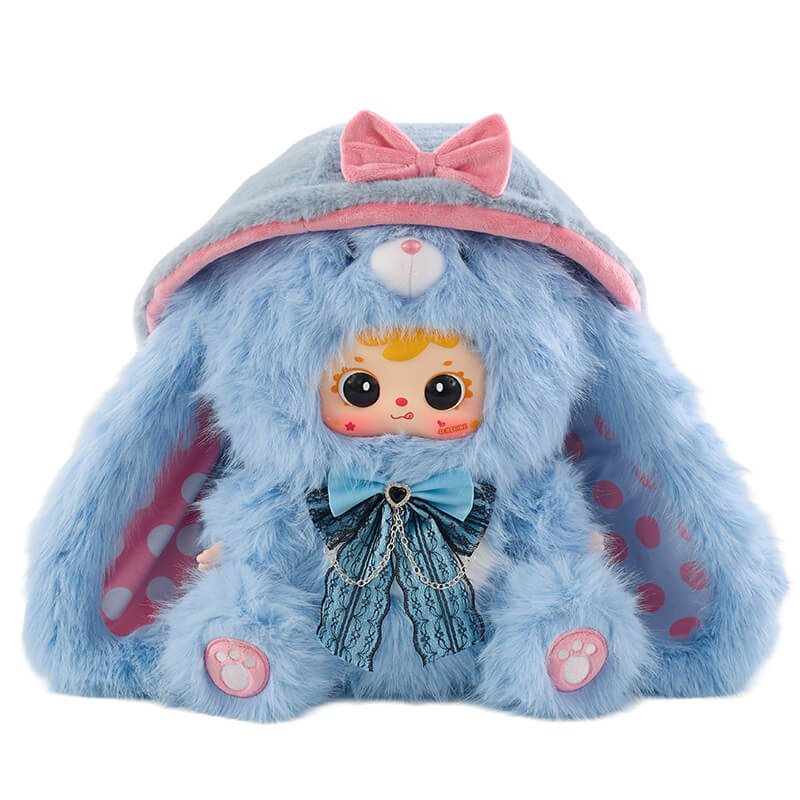
Effective blind box character design can contribute to long-term series appeal by giving a product a recognizable silhouette, an emotional face, a coherent series language, and tactile details that reward closer attention. Samuel’s sports, bakery, vanity, zodiac, family, rabbit, and fantasy directions show how one character-led approach can support many different collectible moods.
Effective original IP toys do not necessarily require excessive visual complexity. They make a few details work hard, then repeat those details with enough variation to keep the collection alive. Explore the Samuel blind box collection to find a character direction with the right balance of personality, theme, and collectible appeal.
FAQ
Q: What makes a blind box character memorable?
A: A memorable blind box character usually has a clear silhouette, recognizable facial expression, consistent color logic, and one or two signature features. Clothing, props, and texture can add personality, but they should support the main identity rather than hide it. That clarity helps collectors recognize the character across products, packaging, and social content.
Q: Why are character expressions important in designer toy collectibles?
A: Facial expression communicates mood faster than most other product details. A gentle, curious, playful, or confident expression can influence how a collector relates to a figure and where it fits in a room or gift setting. In plush products, the face also creates a focal point against the surrounding fabric, costume, and accessories.
Q: How do you develop an original IP for blind box toys?
A: Developing an original IP for blind box toys starts with defining the character’s visual identity, personality, proportions, signature features, and overall design language. Designers can then establish a consistent character system that supports different costumes, expressions, themes, accessories, and companion characters. The next stage is to adapt the 2D concept into a manufacturable product through 3D modeling, material selection, prototyping, and sample development. A well-developed original IP should maintain recognizable core features across multiple figures while providing enough variation to support future collections, seasonal editions, or themed series.

Post Comment