


A low minimum order quantity can make a first plush blind box program easier to test, but the number on a quote is only useful when you know what it covers. Does it apply to the full collection, each character, each color, or every packaging version? Buyers should settle those details before comparing offers. Otherwise, two suppliers may quote very different scopes under the same label: MOQ.
For Samuel’s OEM/ODM work, the stated MOQ is 1,000-3,000 units, with the applicable point in that range depending on process complexity. It is a planning range, not a promise that every design or packaging combination can be split in the same way. Samuel is operated by Zhejiang Meiyiyou Craft Co., Ltd., with a manufacturing base in Yiwu, Zhejiang, and a design and marketing branch in Guangzhou. The company has worked in the category since 2010.
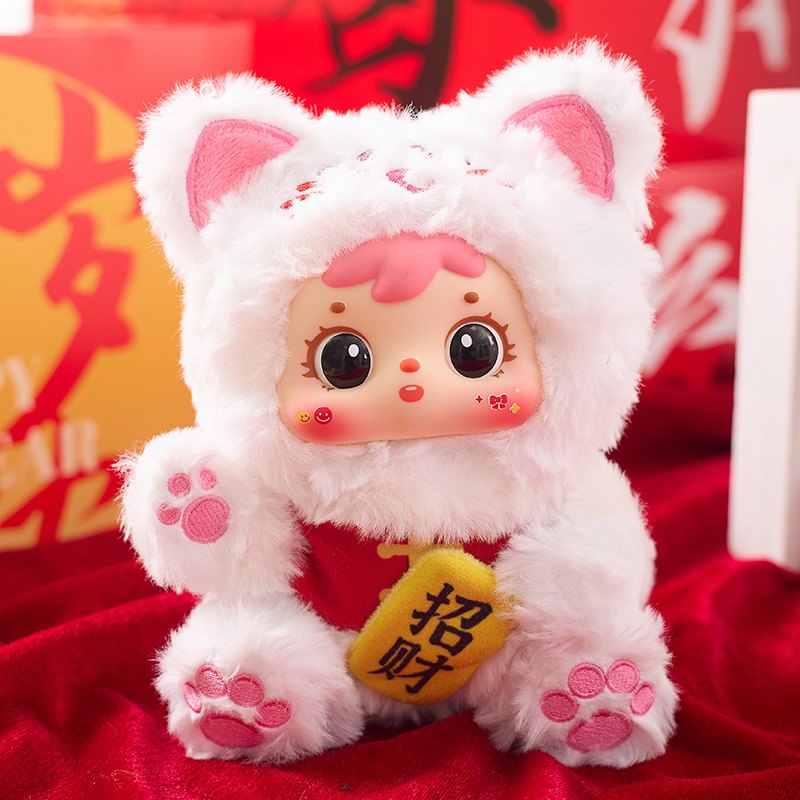
If you are sourcing your first collection, start by defining a quoteable version of the product. Browse the current plush blind box range to see how plush characters and wearable formats differ, then ask suppliers to price the same scope.
Ask what the minimum applies to
A collection can contain several characters and still have more than one minimum. The total order quantity may be separate from the quantity required for each design, fabric color, face treatment, accessory, or printed box. For a plush blind box, the smallest headline number does not tell you whether the supplier can divide that quantity across styles.
One collection can have several quantity rules
Ask the supplier to state the minimum by line item. A useful first quote shows the style name, quantity per style, any assortment ratio, packaging format, and whether the figures cover samples or only bulk production. If a character has a different plush color or added trim, ask whether it counts as a separate version. Do not rely on a verbal answer such as ‘the collection MOQ is low’ when you need to plan stock by SKU.
Keep the first request comparable
Send the same brief to each factory: reference images, target character count, approximate finished size, body fabric, face details, attachment type, individual box design, destination market, and expected order split. Samuel’s product line commonly uses an ABS face with a polyester-fiber plush body; confirm the exact materials and construction for the style you are quoting. This makes it easier to compare a like-for-like offer instead of comparing different assumptions.
Keep the first assortment simple
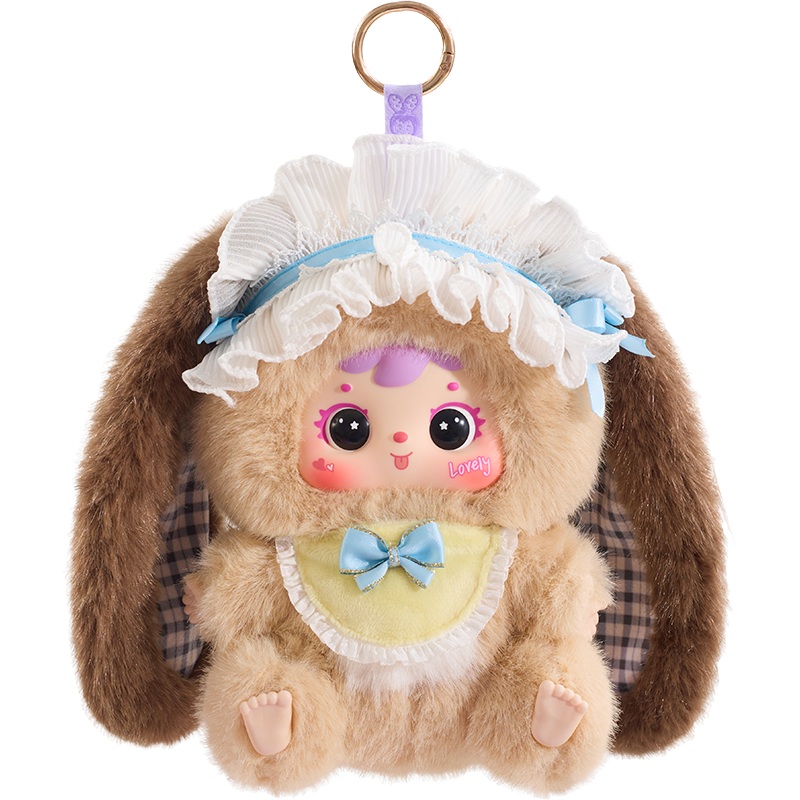
When order volume is limited, every added variation deserves a reason. Each new character can add artwork review, material matching, sample approval, and packaging decisions. That work may be worthwhile for a recognizable collection, but a first order is easier to manage when the characters share a clear visual system.
Choose the details buyers will remember
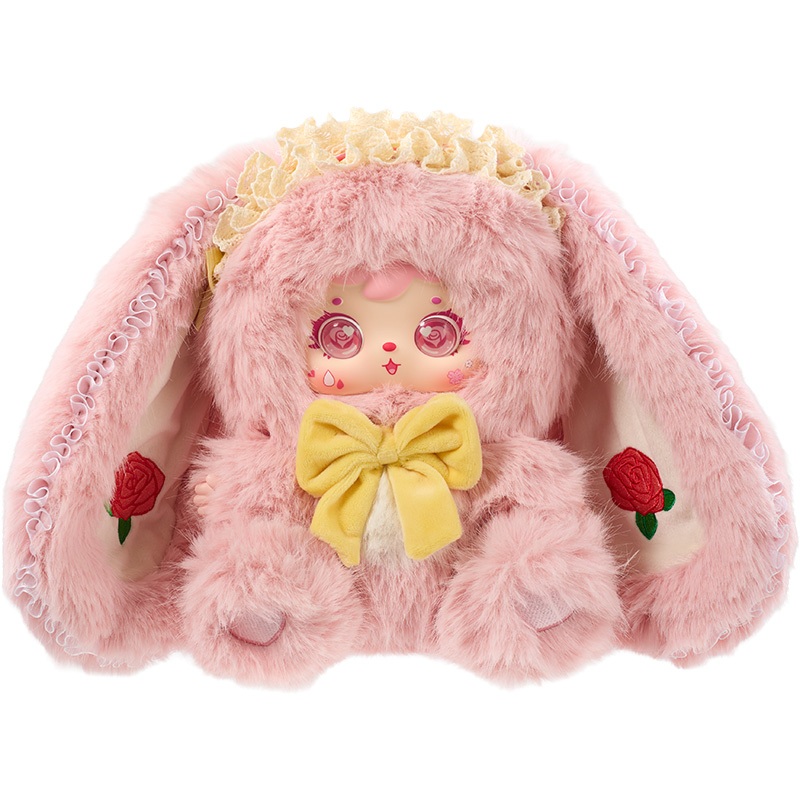
Begin with the features that carry the idea: silhouette, face, fur texture, and one or two signature accessories. Keep secondary trims consistent where you can. If red is the lead color for your launch, approve the red on a physical fabric or trim sample under the light used for product review; a screen image alone can hide differences in pile and finish.
Existing product pages can help you describe a finish without asking a factory to guess. For example, review the dressed styling on Samuel’s Crown Rabbit 400% product page as a visual reference, then mark which details you want to retain or change. A reference product helps clarify design intent; it does not define the MOQ or specification for a new item.
Separate essential changes from optional ones
Before sampling, label each change as essential or optional. A custom face, a new fabric color, a different hanging loop, and a full-color box all affect the specification in different ways. Ask which choices change the quote or minimum, and decide what can wait for a later release. This keeps the first range recognizable without turning every character into a separate development brief.
Make packaging and cartons part of the quote
For a blind box, the selling unit and the shipping unit are not the same thing. Confirm whether the quote includes one retail box per item, inner trays or protective packing, master cartons, and printed inserts. Also confirm the carton pack-out for each style. Pack quantities vary by product format, so do not assume one carton count applies across plush figures and smaller accessory items.
Tell the supplier how you plan to sell the assortment: single mystery boxes, a defined full set, or both. Then request the case quantity and gross carton dimensions for the proposed pack-out. Those details help your team estimate storage and freight without guessing. If you need multiple languages or market-specific labels, provide the required copy before packaging approval rather than after the sample is signed off.
Approve a sample against written standards
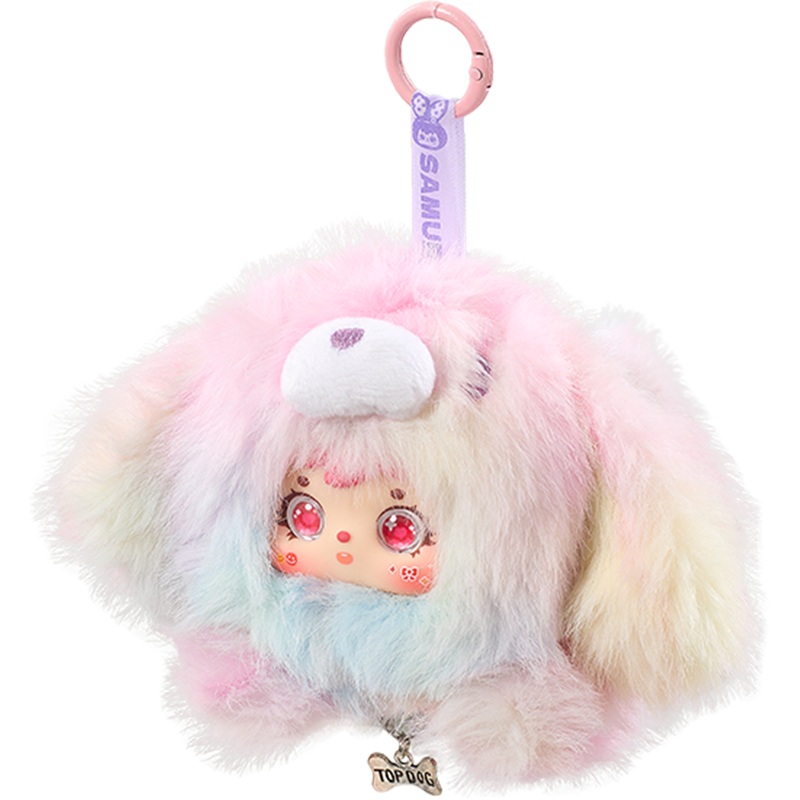
A sample is where a creative brief becomes a production reference. Review the complete item, not only its front view: fabric shade, pile direction, face placement, embroidery, seams, attachments, and how the product sits or hangs. If the item includes a blind box, check how the product fits inside and whether the outer pack arrives in the condition your retail channel needs.
Record what is approved
Keep dated photos and a written sample approval with the final artwork and specification. Note any acceptable variation and any detail that must not change. If you request an adjustment, ask whether the revised sample replaces the previous approval and whether it changes the material list, minimum, or quoted scope. Do not approve bulk production from an early sample if visible changes remain open.
Confirm market requirements before production
The destination market affects age grading, labeling, and the documents you may need. Tell the supplier where the product will be sold and ask which product-specific test reports or compliance documents are available for that construction. Keep that conversation tied to the actual style and materials. A general factory capability statement is not a substitute for confirming the paperwork for your order.
Put these questions in your RFQ
A short, specific request for quotation can prevent a long round of corrections. Include these questions with your artwork and product brief:
Is the quoted MOQ total for the order, per character, per color, or per packaging version?
Can the quantity be divided across designs, and what assortment ratio will be packed?
Which sample, packaging, and carton costs are included or quoted separately?
What changes after sample approval would affect the minimum or require a new quote?
Which product-specific documents are available for the intended sales market?
For more detail on product development and customization, see Samuel’s OEM/ODM service information. Share your target assortment and packaging plan when requesting a quote so the proposed minimum reflects the product you intend to order.
Start with a brief your team can approve
A manageable first collection is not simply the one with the fewest units. It is the one whose design, quantity split, packaging, and sample standard are clear before production begins. Set those details first, then compare the MOQ against your sales plan and the case pack for each style.
Samuel’s OEM/ODM MOQ ranges from 1,000-3,000 units depending on process complexity. Contact the team with your reference art, style count, packaging needs, and destination market to discuss a suitable production scope: 사무엘에게 연락하세요.
FAQ는
Q: What does low MOQ mean for a plush blind box order?
A: There is no single industry-wide threshold. Ask what the supplier’s stated minimum covers and whether it applies to the total order, each design, color, or packaging version.
Q: What is Samuel’s MOQ for OEM/ODM blind boxes?
A: Samuel’s stated OEM/ODM MOQ is 1,000-3,000 units, depending on process complexity. The applicable quantity should be confirmed against the final design and packaging scope.
Q: Can I divide the MOQ across several characters?
A: Do not assume that you can. Ask the supplier to show the quantity by style and confirm whether the proposed characters can share materials, trims, and packaging components.
Q: What should I approve before bulk production?
A: Approve a complete sample against the written specification, including fabric and color, face details, seams, attachments, retail packaging, and market-specific requirements. Record any open changes before authorizing production.

게시물 코멘트